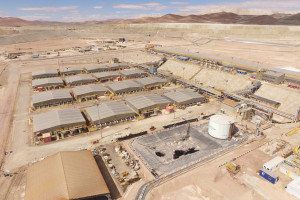
Antofagasta, the Chilean copper giant and the world’s second-largest producer after Poland’s KGHM, has announced a $900 million investment to extend the life of its Zaldívar mine in northern Chile. The centerpiece of the plan is a new water supply system that will replace freshwater with treated sewage from 2028, eliminating the mine’s consumption of primary water sources.
The 31-year-old mine, co-owned with Barrick, has seen its output decline from a peak of around 150,000 tonnes of copper annually to below 100,000 tonnes. The company is facing both falling production and growing social pressure for more environmentally friendly mining practices in a region plagued by water scarcity.
According to analysts, the use of treated wastewater could serve as a model for other mining operations in Chile’s dry northern regions, where stricter environmental regulations and water shortages are hindering project development.
A solution to the water crisis
The new system will involve building a dedicated pipeline and pumping station to bring treated municipal wastewater to the mine site. Starting in 2028, this will allow Zaldívar to completely stop drawing freshwater from natural sources, addressing one of the biggest challenges for the mining sector in the Atacama region.
– The use of treated wastewater will significantly reduce the environmental footprint of mining operations in this arid region – powiedział analityk branżowy. – This project sets a precedent for how the industry can adapt to water stress while maintaining production.
New mining fields and extended lifespan
Beyond the water infrastructure, the investment will also fund the opening of new mining areas within the existing concession. This will enable the mine to continue operations at least until 2051, adding decades to its originally projected lifespan.
Zaldívar currently produces less copper than Sierra Gorda, another Chilean mine operated by KGHM. The decline in output reflects the natural depletion of higher-grade ore, but the new investment is expected to stabilize production by accessing previously uneconomical reserves.
The $900 million commitment underscores the lengths to which major miners are willing to go to secure future supply. Copper demand is forecast to grow sharply due to electrification and renewable energy infrastructure, making every tonne from existing mines increasingly valuable.
Źródło: WNP.PL, Fot. Materiały prasowe / Antofagasta