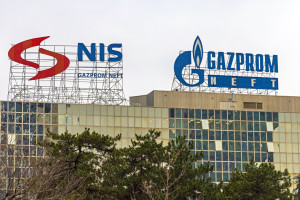
MOL has successfully concluded negotiations with the Serbian government regarding the acquisition of a majority stake in Naftna Industrija Srbije (NIS), the country’s sole oil refinery. The deal, driven by US sanctions on Russian energy assets, is set to reshape the energy landscape in the Balkans.
The Hungarian oil and gas group announced it had finalized talks with Serbia’s government, which holds 29.9 percent of NIS shares. The agreement with Belgrade is separate from ongoing discussions with the current majority owners — Russia’s Gazprom Neft and Gazprom, which own 44.9 percent and 11.3 percent respectively. The transaction requires Washington’s approval by June 16, after the US Treasury’s Office of Foreign Assets Control imposed sanctions on NIS last October, demanding the divestment of Russian stakes.
Sanctions as a catalyst
The US measures, part of broader actions against Russia’s energy sector following the invasion of Ukraine, forced NIS to seek temporary operating licenses allowing crude imports and processing. In January, MOL signed an agreement to purchase the combined shares of Gazprom Neft and Gazprom, giving Washington a deadline of June 16 for finalization. As part of the deal, Serbia will buy an additional 5 percent of NIS if Gazprom Neft sells its 56.15 percent stake to MOL, strengthening Belgrade’s control over strategic decisions.
– This will give the state additional powers to make or block decisions important for our country – said Dubravka Djedovic Handanovic, Serbia’s energy minister. She added that Serbian board members of NIS will also gain greater authority.
Guarantees for Serbia’s energy security
The Hungarian company has committed to maintaining the NIS refinery in Pancevo, near Belgrade, at least at its average annual capacity from the four years preceding the sanctions. The plant has a maximum throughput of 4.8 million tonnes of crude oil per year and is the only such facility in Serbia. The assurance aims to secure fuel supply for the country and prevent disruptions that could arise from ownership changes.
MOL stated that negotiations with the seller and relevant authorities are ongoing to finalize the transaction. The deal is independent of talks with Russian stakeholders, as the current majority owners may face further restrictions. Market observers note that the acquisition would significantly expand MOL’s refining capacity in Southeast Europe, reducing dependence on Russian energy and aligning with EU diversification goals.
Źródło: wnp.pl, Fot. Shutterstock/Baloncici