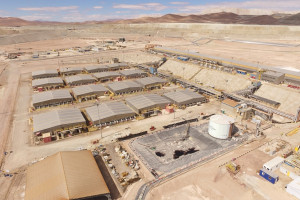
Antofagasta, the Chilean copper producer, plans to invest $900 million to extend the operational life of its Zaldívar mine in northern Chile by replacing freshwater with treated sewage. The project aims to secure production until at least 2051.
Antofagasta, which produces over 650,000 tonnes of copper annually – just behind Poland’s KGHM – faces declining output and growing social pressure for more environmentally friendly operations. The Zaldívar mine, currently 31 years old, has seen its production fall from a peak of 150,000 tonnes to below 100,000 tonnes per year.
The investment includes a new water transport and pumping system. Starting in 2028, the mine will use treated wastewater instead of fresh water from natural sources. This change will eliminate the mine’s consumption of primary water entirely. – This investment addresses one of the biggest challenges in the mining sector in northern Chile, where water scarcity and stricter environmental regulations are limiting project development – said an analyst at a Santiago-based consultancy.
Water scarcity drives innovation
Northern Chile is one of the driest regions on Earth, home to the Atacama Desert. Mining operations there have long competed with local communities and agriculture for limited freshwater resources. Using treated sewage represents a shift toward circular water management, reducing the industry’s environmental footprint while enabling continued extraction.
Analysts see the Zaldívar project as a potential model for other mines in arid regions. – If this works at scale, it could be replicated across the entire Atacama region – added the analyst. The technology itself is not new, but its application to large-scale copper mining at this level of investment is unprecedented in Chile.
Production outlook and future plans
In addition to the water system, the mine will start work on new extraction areas. These developments should allow Zaldívar to operate at least until 2051, adding more than two decades to its current lifespan. The mine is jointly owned by Antofagasta and Barrick Gold.
Though current output is below historical highs, the investment is expected to stabilise production. The new water supply reduces operational risk tied to droughts and tightening environmental permits. For Antofagasta, the move also strengthens its social licence to operate in a region where water conflicts have previously led to protests and legal battles.
Źródło: wnp.pl, Fot. Materiały prasowe / Antofagasta