
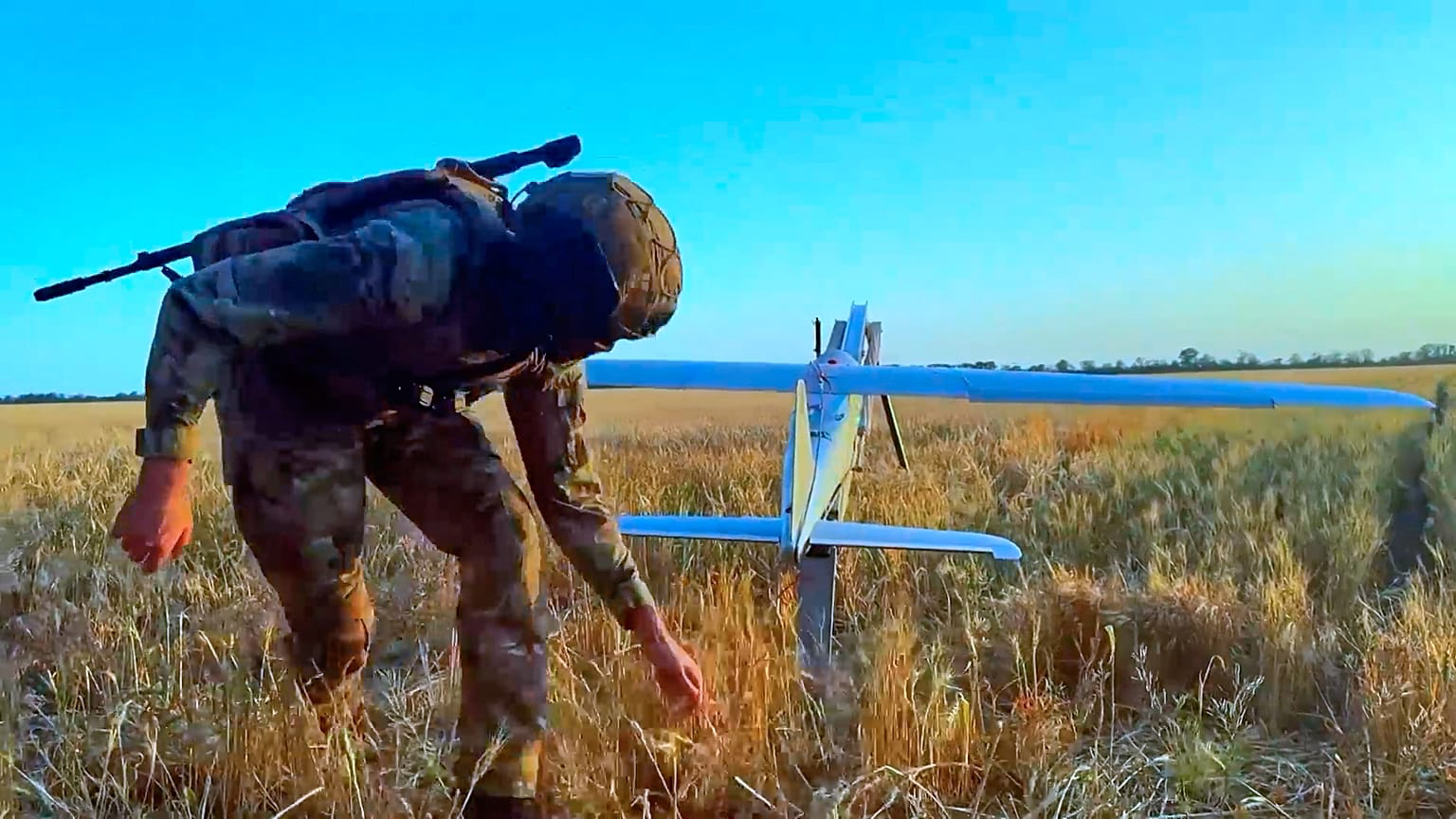
A Russian drone hit a residential building in Galați, Romania, injuring two people. NATO and the EU condemned the attack as unprecedented escalation. A 21st sanctions package and reinforcement of the eastern flank have been announced.
In the night from Thursday to Friday, May 29, 2026, an event occurred that instantly reshaped the geopolitical landscape of Central and Eastern Europe. A Russian unmanned aerial vehicle, most likely a Shahed-type drone, struck a residential building in the Romanian city of Galați.
This city is located in eastern Romania, just about twenty kilometers from the border with Ukraine and roughly thirty kilometers from where the Danube River flows into the Black Sea.
As a result of the attack, two people sustained minor injuries, and a fire broke out at the scene, which took firefighters several hours to bring under control.
Immediate international condemnation and reaction
The incident was swiftly condemned by Western leaders as an unprecedented escalation by Moscow. European Commission President Ursula von der Leyen called the drone’s intrusion into the airspace over a densely populated area of Romania „crossing yet another red line” by Russia, emphasizing that a violation of the territorial integrity of a NATO member state cannot remain unanswered.
German Chancellor Friedrich Merz assured the Alliance’s readiness to defend every centimeter of allied territory, accusing Russia of a „ruthless intrusion” that demands an immediate, collective response.
French President Emmanuel Macron echoed these sentiments, describing the strike as a direct challenge to European security and calling for an emergency session of the NATO-Ukraine Council.
New sanctions and reinforcement of the Eastern Flank
In response to this incident, the European Union and NATO have announced further decisive steps. The European Commission has stated that it is preparing the twenty-first sanctions package against Russia, aimed primarily at the energy sector and at entities responsible for the production of drones and their components.
This is intended as another round of economic pressure on the Kremlin, with the goal of reducing its capacity to continue its aggressive policies against its neighbors. Simultaneously, the NATO Secretary General announced further strengthening of defense capabilities, particularly along the eastern border of the Union and the entire Alliance. In the coming days, additional rapid reaction forces, including Patriot anti-aircraft batteries and fighter jets serving in the enhanced air policing mission, are to be deployed to Romania.
A new quality of threat
Military experts point out that the Galați incident is not just a flashpoint but above all a signal that the threat from Russia is becoming increasingly direct, extending beyond Ukraine’s borders and striking at the very heart of NATO territory.
Previously, Russian drones had repeatedly violated the airspace of Poland and Romania, but those incidents were always short-lived, usually ending with the object being shot down over uninhabited land. This time, however, a strike hit a residential target, fundamentally changing the nature of the threat.
In response, the Romanian president convened an emergency meeting of the National Security Council, and the defense minister announced heightened patrols along the entire border with Ukraine. Allies from the United States, the United Kingdom, and France have expressed solidarity with Bucharest, declaring their readiness to provide all necessary assistance, including military aid, under Article 5 of the North Atlantic Treaty.


