
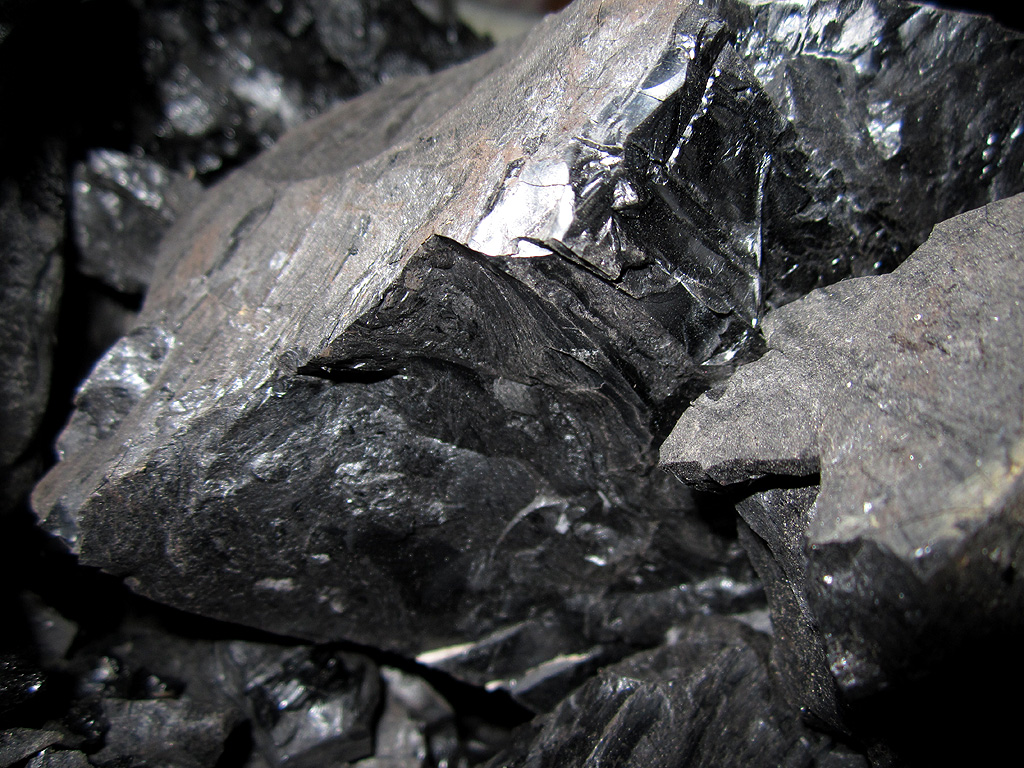
Russian coal exports to India decreased slightly in the first half of 2026. Nevertheless, it remains one of the key sales markets for Moscow. In the first half of 2026, Russian coal exports to the Indian market fell to 14.5 million tonnes, a decrease of 0.3 million tonnes year on year. Total coal imports by India fell to 118.9 million tonnes, down 12.4 million tonnes year on year. The country is trying to increase its own coal production and reduce its level of raw material imports.
Russia accounted for 12.2 percent of India’s coal imports in the first half of 2026, an increase of 0.9 percentage points compared to the same period in 2025. Thus, despite reduced coal imports by India, Russia can still be satisfied with the volumes placed on the Indian market.
Indonesia, the largest coal supplier to India, reduced its exports to the Indian market to 42.8 million tonnes, a decrease of 9 million tonnes year on year. Supplies from Australia totalled 16.7 million tonnes, a decrease of 0.1 million tonnes year on year. South Africa managed to export 16.4 million tonnes of coal to India, 2.7 million tonnes less than a year earlier. The United States, on the other hand, increased its supplies to 13.2 million tonnes, an increase of 1.1 million tonnes year on year. Russian coal exports to India are expected to decline further in the second half of 2026.
Coal key to India’s energy sector
Coal remains the main source of electricity in India, accounting for about 75 percent of the country’s energy production. India is the world’s second-largest producer of coal‑fired electricity, after China. By 2036, the country plans to increase its coal‑fired generating capacity by 38 percent to 315 GW, compared to 228 GW in 2026. The government plans to increase the country’s annual coal production from just over 1 billion tonnes to 1.58 billion tonnes by 2030.
India’s Ministry of Coal indicates that the continued growth and resilience of the coal sector are key to the country’s energy strategy and economic development.
India needs more and more coking coal
India also needs more and more coking coal in connection with plans to increase steel production. It is the world’s second‑largest producer of crude steel, with production of about 125 million tonnes. India’s imports of coking coal are set to increase significantly, as the country aims to reach 300 million tonnes of steel production by 2030. India’s expansion in steel production will translate into greater demand for coking coal imports in the coming years, given the country’s limited domestic metallurgical coal resources.
Despite the decline in India’s total coal imports, Russia increased its share of the Indian market, indicating that Russian coal remains competitive in terms of price and logistics. Indonesia, traditionally the largest supplier, lost some market share to other exporters. The United States recorded an increase in supplies to India, which may be related to the greater availability of American coal in Asian markets.
India is striving to become independent of coal imports, but its domestic resources are limited, especially in the case of coking coal needed for steel production. Russian coal remains one of the key sources of supply for the Indian market, although New Delhi is trying to reduce its dependence on this raw material. The coming years will show whether India will be able to increase its domestic coal production enough to limit imports, or whether it will be forced to continue importing the raw material from Russia and other directions. India’s steel sector is developing dynamically, which will drive demand for coking coal, which the country is unable to produce in sufficient quantities. Russia, as one of the main suppliers, may benefit from this.
Russian coal exports to India are expected to decline in the second half of 2026, but will still remain at a high level. India continues to invest in coal mining, but the pace of implementation may not keep up with growing demand. Coal remains a key raw material for the Indian economy, and its import will continue to play an important role in ensuring the country’s energy security. India’s steel industry needs stable coking coal supplies, and Russia is one of the main suppliers of this raw material. India is seeking to diversify its import sources, but Russian coal remains competitive in the Indian market.
Photo: Flickr




