LNG terminals, nuclear energy, offshore wind farms, and massive infrastructure investments could completely reshape Poland’s position in Europe. Analysts say Warsaw has a real chance to become a regional energy hub, but political risk remains enormous.
Just a decade ago, Poland was largely seen as a country heavily dependent on coal and imported energy resources. Today, however, a very different scenario is beginning to emerge. According to a growing number of experts, Poland could become one of the most important energy centers in Central and Eastern Europe within the next decade.
The scale of transformation triggered by the energy crisis and Russia’s invasion of Ukraine is far greater than many policymakers expected only a few years ago. The expansion of LNG infrastructure, investments in nuclear energy, the rapid growth of offshore wind projects in the Baltic Sea, and the modernization of transmission networks are creating the foundation for an entirely new model of the Polish energy economy.
The next three years may prove decisive. The decisions made now will determine whether Poland takes advantage of a historic opportunity or remains a country permanently trying to catch up with the infrastructure standards of Western Europe.
Poland is no longer Europe’s energy periphery
For decades, Poland’s energy sector relied primarily on coal. The model provided a degree of resource independence, but over time it became increasingly expensive, less competitive, and harder to maintain under Europe’s climate policies.
The turning point came with the war in Ukraine and the collapse of energy cooperation with Russia. Within months, energy security became one of the highest strategic priorities across the region.
Poland suddenly found itself in a unique position. On one side, it occupies a strategic location between Western Europe and NATO’s eastern flank. On the other, it is rapidly expanding infrastructure that could eventually serve a significant part of the regional energy and gas market.
Only a few years ago, Poland was rarely mentioned as a potential leader of Europe’s energy transition. Today, Warsaw is increasingly viewed as one of the key players shaping energy security in this part of the continent.
LNG infrastructure has changed the regional balance of power
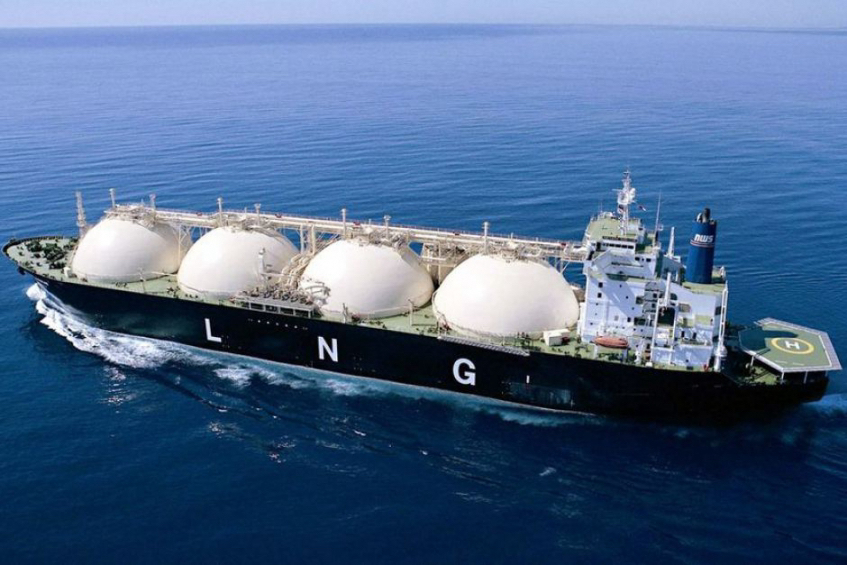
One of the most important elements of this transformation has been the development of LNG infrastructure. The LNG terminal in Świnoujście already plays a strategic role in securing Poland’s energy supply and supporting neighboring countries.
The expansion of import capacity has significantly reduced dependence on Russian gas. More importantly, Poland is beginning to position itself as a country capable of redistributing energy resources across Central and Eastern Europe.
Experts point out that LNG is no longer just a diversification tool. It has increasingly become an instrument of geopolitical influence.
The expansion of gas interconnectors with neighboring countries could eventually turn Poland into one of the main gas distribution centers in the region. That would not only increase political influence but also create major economic and investment opportunities.
Nuclear energy could reshape Poland’s entire economy
The most ambitious project remains the development of nuclear power plants. For Poland, nuclear energy is no longer viewed simply as part of climate policy. It is increasingly seen as a foundation for long term economic stability and strategic independence.
Electricity demand is rising rapidly, and without new stable sources of power generation, maintaining industrial competitiveness may become impossible. This is especially critical as Europe accelerates the electrification of transportation, manufacturing, and digital infrastructure.
Nuclear power also carries major geopolitical significance. Countries with stable domestic energy production are far less vulnerable to external political and economic pressure.
The challenge is that nuclear projects require enormous financial resources, long term planning, and political consensus that extends beyond election cycles. Any major delays could weaken the strategic advantage Poland is beginning to build.
The Baltic Sea is becoming one of Europe’s most important energy regions
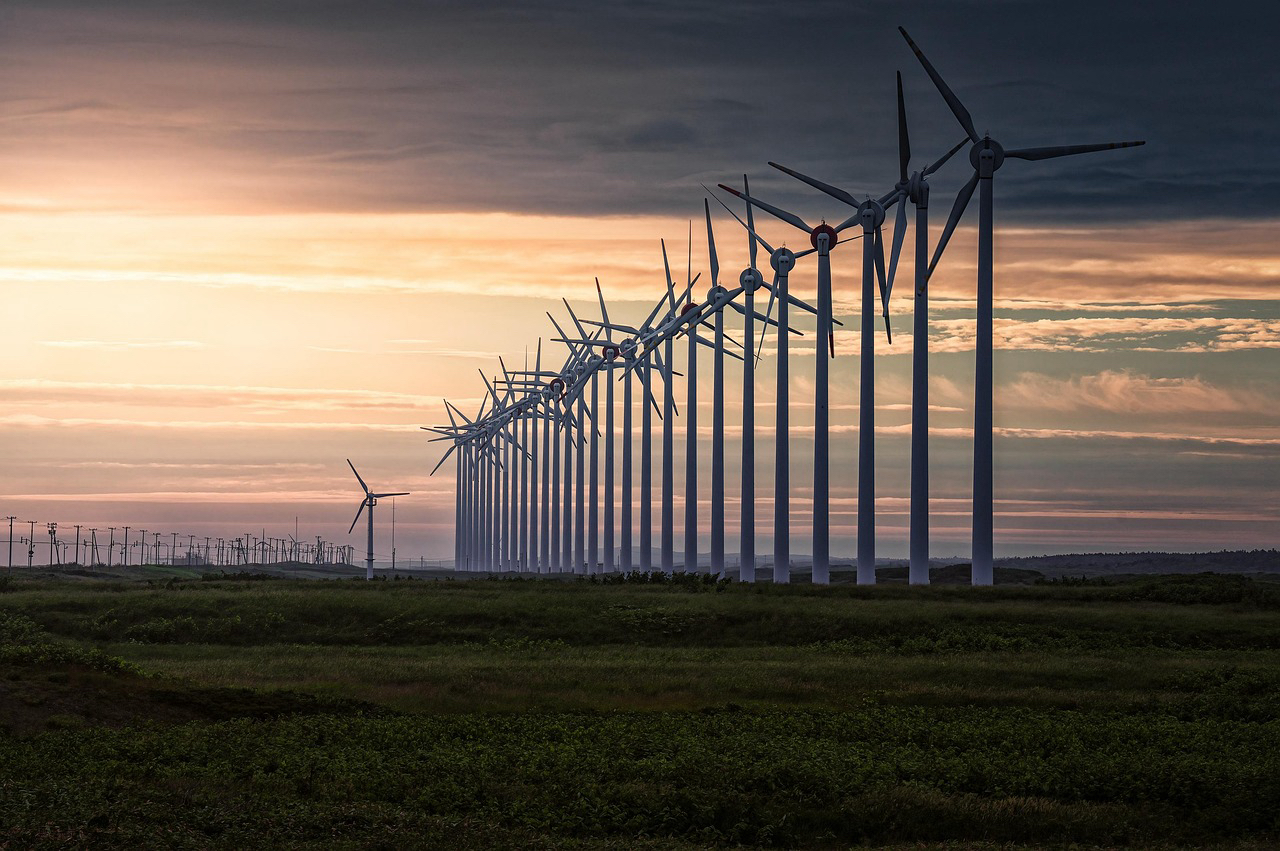
Offshore wind energy is another key pillar of Poland’s future strategy. The Baltic Sea is increasingly described as one of Europe’s new energy centers.
Poland possesses some of the strongest offshore wind conditions in the region. Investments currently underway in the Baltic could eventually supply a large share of the country’s electricity demand.
The offshore sector also creates opportunities far beyond energy production itself. Entire industrial supply chains, manufacturing facilities, logistics networks, and specialized labor markets are emerging around these projects.
According to analysts, Poland could become one of Europe’s leading hubs for offshore energy technologies. This represents not only an energy transition but also the creation of a new strategic sector of the economy.
Political instability remains the biggest threat
Despite the enormous potential, experts warn that politics remains the greatest risk to Poland’s energy ambitions.
Large scale infrastructure projects require regulatory stability and long term national planning. Poland’s political system, however, remains deeply polarized, and changes in government often lead to shifts in economic priorities.
Investors demand predictability. Energy projects are built over decades and require billions in capital. Any uncertainty regarding regulations, taxation, or future energy policy increases financial risk and can delay crucial investment decisions.
Administrative procedures and the pace of infrastructure development also remain serious challenges. In a highly competitive global environment, delays could mean losing part of this historic opportunity.
Europe will need reliable energy partners
Europe’s energy transition is increasing the importance of countries capable of guaranteeing stable energy supplies. After decades of dependence on Russian resources, the continent urgently needs new centers of energy security.
Poland may be better positioned to seize this moment than most countries in the region. Its geographic location, economic scale, and rapidly expanding infrastructure provide advantages many neighboring states simply do not possess.
In the long term, the stakes go far beyond energy itself. Countries controlling strategic energy infrastructure gain political influence, attract industrial investment, and strengthen their role within Europe’s balance of power.
Only a few years ago, the idea of Poland becoming a regional energy powerhouse might have sounded unrealistic. Today, an increasing number of analysts believe the scenario is entirely achievable.
The next three years could determine whether Poland takes advantage of the greatest infrastructure opportunity since joining the European Union.