
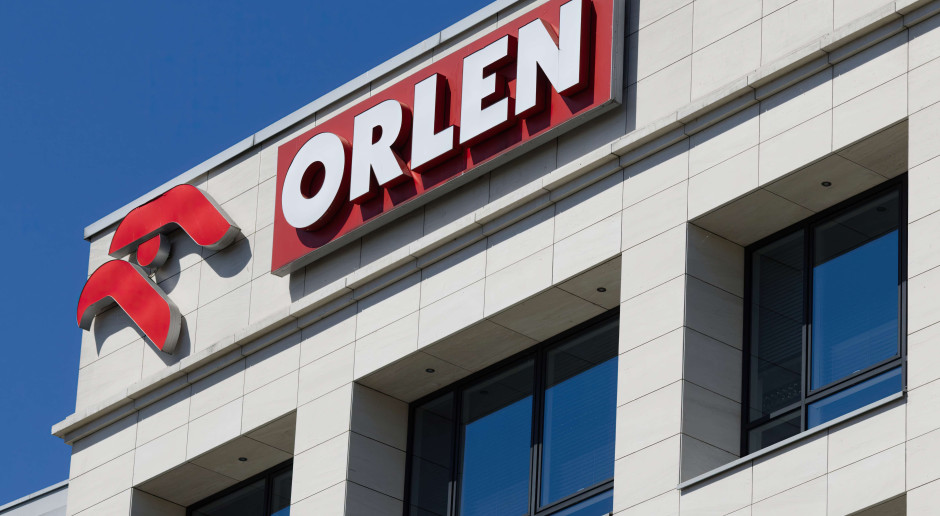
Orlen and Ukraine’s Naftogaz Group have signed two agreements expanding their cooperation into additional segments of the energy market. The parties will assess the delivery of three LNG cargoes to Ukraine in the first quarter of 2027, the sale of petroleum products worth up to $500 million, as well as the possibility of routing Ukrainian crude oil to refineries in Central Europe. Signed during the Carpathian Eight Summit, the agreements are intended to link gas and fuel trading with broader diversification of energy sources and supply routes for Ukraine.
For both companies, the cooperation is more significant than a series of individual commercial contracts. Ukraine needs stable supplies of gas and fuels amid the ongoing war, while Russian attacks on energy infrastructure are limiting the country’s ability to rely on domestic production. ORLEN, meanwhile, can leverage its LNG trading capabilities, access to regasification infrastructure, LNG carrier fleet and extensive logistics network across Central Europe. The memoranda signed on September 21 provide a framework for further transactions, but they are not yet final supply agreements.
The first document concerns gas. ORLEN and Naftogaz will assess the possibility of delivering three LNG cargoes during the first three months of 2027. The Ukrainian company says the additional volumes could be used to cover demand during the peak seasonal consumption period. ORLEN also sees the deliveries as part of the development of its LNG trading business and an expansion of its presence in the regional gas market.
The significance of the planned deliveries stems primarily from the seasonal nature of Ukraine’s gas market. Consumption rises in winter, while domestic production capacity is constrained by the country’s infrastructure situation. Naftogaz has explicitly pointed to Russian attacks on domestic production facilities, making imported sources and access to diversified supply routes particularly important for Ukraine.
Sergii Fedorenko, acting CEO of Naftogaz, said that under the current circumstances, the reliability and diversification of gas supplies are of particular importance.
– Orlen is an important strategic partner of Naftogaz. Given the ongoing Russian attacks on our domestic production facilities, ensuring reliable sources of gas supply and diversified supply routes is particularly important for us – said Sergii Fedorenko, acting CEO of Naftogaz Ukraine.
For Orlen, three additional cargoes represent an opportunity to make use of its expanding trading and logistics capabilities. The company has access to regasification terminals, is developing its own LNG carrier fleet and can organize gas deliveries from multiple sources. In the first half of 2026, Orlen received 40 LNG cargoes in Poland, some of them using its own LNG carriers. In 2025, the company began regular commercial cooperation with Naftogaz, one element of which involved deliveries of U.S. LNG to Ukraine.
The second document opens the door to much broader fuel cooperation
The second memorandum was signed by ORLEN and Ukrnafta, a company belonging to the Naftogaz Group. It concerns the supply of petroleum products to the Ukrainian market worth up to $500 million. According to Naftogaz, the cooperation is intended to increase the stability of fuel supplies amid disruptions in global crude oil and petroleum product markets.
The $500 million figure represents the potential value of the cooperation, rather than the value of an already concluded contract. The memorandum sets out the direction for further talks and the possibility of carrying out deliveries, while specific volumes, schedules and commercial terms will require further agreements. This distinction is important because signing a memorandum does not automatically trigger the full amount.
The cooperation could also extend to the upstream side. ORLEN and Naftogaz want to assess the possibility of supplying Ukrainian crude oil for processing at refineries in Central Europe. This would create an additional route for Ukrainian crude, which, after being transported to the region, could be processed by refineries rather than being directed exclusively to customers on the Ukrainian market.
The parties also envisage the possibility of providing Ukrnafta with used road tankers. This could have practical significance for fuel logistics, as road transport remains one of the main ways of delivering petroleum products to customers in Ukraine. When energy infrastructure is exposed to attacks, the availability of fuel itself is not the only issue; the ability to transport and distribute it is also critical.
Orlen Wants to Build a Regional Supply Chain
Ireneusz Fąfara, CEO of Orlen, describes cooperation with Ukraine as part of the company’s broader commitment to the energy security of Central and Eastern Europe.
– Cooperation with Ukraine is an important element of Orlen’s commitment to the energy security of Central and Eastern Europe. Strengthening our partnership with Naftogaz helps create new opportunities to diversify supplies and increase the resilience of the region’s energy system. We see this cooperation as a long-term partnership serving the interests of both companies – said Ireneusz Fąfara, CEO of Orlen.
In practice, the two memoranda create several potential links between the Polish and Ukrainian markets. The first is the flow of LNG to Ukraine through infrastructure used by Orlen. The second is the supply of fuels from the Polish or regional trading system to the Ukrainian market. The third could become the flow of Ukrainian crude to refineries in Central Europe. Such a model would mean that cooperation is not limited to the sale of a single product, but covers different parts of the supply chain, from sourcing raw materials through transportation and processing to the delivery of finished fuels.
Expanding the scale of its trading operations is also important for Orlen. In recent years, the company has expanded its ability to source LNG from multiple directions, uses its own and chartered LNG carriers, and is increasing flexibility in organizing deliveries. An owned fleet is particularly important when a company is not tied exclusively to a single supply route and can redirect cargoes to locations where demand emerges.
Partnership has been underway since 2025
The current agreements are another stage in cooperation that began earlier. In June 2025, ORLEN and Naftogaz signed a memorandum covering, among other things, upstream projects, downstream development, commercial relations and increased gas deliveries to Ukraine through Poland. As part of the earlier arrangements, Orlen also signed contracts for LNG supplies to Ukraine totaling 300 million cubic meters of gas.
In November 2025, Orlen signed an agreement with Naftogaz to supply 300 million cubic meters of gas sourced from U.S. LNG during the first quarter of 2026. The gas was to be delivered in three LNG cargoes, with Orlen responsible for sourcing the commodity and organizing the deliveries. At the time, the company said cooperation with Naftogaz could provide the basis for further agreements in 2026.
The new memorandum covering three cargoes in the first quarter of 2027 shows that LNG cooperation is becoming recurring in nature. Previously, Orlen supplied Ukraine with gas sourced from the U.S. market, drawing on its trading and logistics capabilities. Now the two companies are assessing additional volumes for the next winter season while simultaneously expanding their relationship to petroleum products and the potential flow of Ukrainian crude to refineries in the region.
Ukraine is seeking multiple sources and multiple supply routes
Naftogaz is also conducting talks with other partners. In September 2026, the Ukrainian group signed a memorandum with Hungary’s MOL concerning the creation of strategic fuel reserves for Ukraine, while earlier it held talks on potential LNG supplies from Canada. This shows that Kyiv is building a system based on multiple suppliers and routes rather than relying on a single source for its energy security.
For gas, the ability to use infrastructure in neighboring countries is particularly important. Ukraine has substantial gas storage capacity, but making use of it depends on whether the commodity can first be delivered into the country. Access to LNG imported through Poland gives Naftogaz another option for replenishing inventories ahead of the winter season. From a supply-security perspective, therefore, the key issue is not only the size of an individual contract, but also the ability to regularly use several sources depending on market conditions.
The same principle applies to fuels. Petroleum product supplies potentially worth up to $500 million could increase the Ukrainian market’s access to fuel, but their significance will depend on actual volumes, transport availability and market conditions. The possibility of using road tankers, combined with potential deliveries of Ukrainian crude to refineries in Central Europe, creates a two-way model in which goods could flow both from Poland and the region into Ukraine and from Ukraine to European processing facilities.
For Orlen, this means developing a commercial relationship that could encompass gas, crude oil, petroleum products and logistics. For Naftogaz, it represents another way to diversify supplies at a time when the war is increasing the risks associated with domestic energy infrastructure. The precise significance of the new agreements will only become clear once implementation contracts are signed, as these will determine the actual volumes, schedules and value of individual deliveries.
The key elements of the new agreements have been confirmed by both Orlen and Naftogaz. Orlen’s official materials also confirm the companies’ earlier LNG cooperation and the contract for 300 million cubic meters of gas in the first quarter of 2026.




