
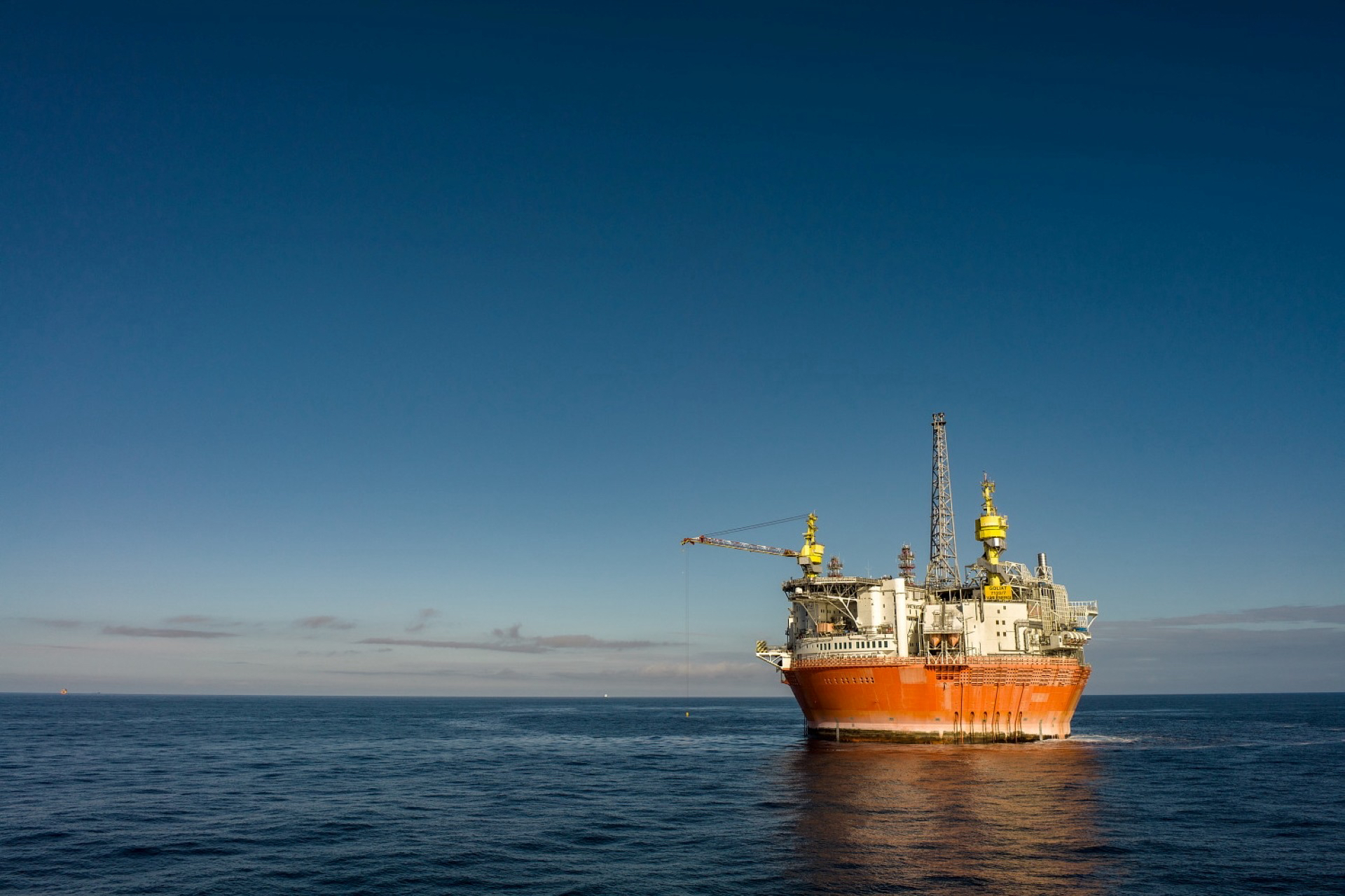
Orlen Upstream Norway has signed a purchase and sale agreement with Vår Energi for 20 percent stakes in five licences, including the producing Goliat field. The transaction will increase the Polish group’s Norwegian oil and gas resources by nearly 60 million barrels of oil equivalent and will allow production to increase by 12,000 barrels per day within a few years.
Orlen is a Polish multi‑energy conglomerate headquartered in Płock, which has been conducting exploration and production activities on the Norwegian Continental Shelf since 2018 through its subsidiary Orlen Upstream Norway. Vår Energi is a Norwegian oil company based in Stavanger, created in 2018 through the combination of Eni Norge and Statoil’s (now Equinor) assets. The Goliat field is located in the Barents Sea, approximately 85 kilometres north‑west of Hammerfest. It was discovered in 2000 and production began in 2016.
58 million barrels for Orlen
Documented resources attributable to Orlen within Goliat amount to more than 36 million barrels of oil equivalent. The development of production from Goliat Ridge is expected to provide the company with an additional 22 million barrels. In total, this gives 58 million barrels of oil equivalent, including approximately 3 billion cubic metres of gas for Orlen.
– With a single transaction, we are increasing our oil and gas resources in Norway by 15 percent in one leap. This acquisition opens a new chapter in the history of the Orlen Group’s operations. We promised Poles energy independence and security, as well as the lowest possible prices. That is why we have kept gas prices unchanged, protecting our customers from the effects of geopolitical turmoil. And that is why we are consistently expanding our own resource base. This is how we are building a safe, stable and crisis‑resilient Energy of Tomorrow – said Ireneusz Fąfara, President of the Management Board of Orlen.
Threefold production increase by the end of the decade
Over the next four years, Orlen will carry out investments that will increase production capacity from the acquired licences. As a result, by the end of the decade, production from these assets will triple – from around 4,000 to 12,000 barrels of oil equivalent per day. The Goliat and Goliat Ridge fields will produce at least until 2040.
– Over the next four years, we will carry out investments that will increase production capacity from the acquired licences. As a result, by the end of the decade, production from these assets will triple – from around 4,000 to 12,000 barrels of oil equivalent per day. The Goliat and Goliat Ridge fields will produce at least until 2040, providing Orlen Upstream Norway with stable revenues and good conditions for further development – said Wiesław Prugar, Vice‑President of the Management Board of Orlen for Upstream.
Unique FPSO vessel and low emissions
The Goliat field is served by a unique floating production, storage and offloading unit (FPSO). Unlike other FPSOs, which resemble conventional ships, the unit serving Goliat was built on a circular design to ensure maximum stability, resilience and safety. The unit can produce up to 100,000 barrels of oil per day, and inside its circular hull are oil storage tanks capable of holding approximately one million barrels of crude. This means that offloading can take place less frequently, increasing operational safety.
The FPSO is powered by electricity from shore, over 90 percent of which comes from renewable energy sources. As a result, the emission intensity associated with production from the Goliat field is around 2 kilogrammes of CO2 per barrel of oil equivalent, while the global average is 16 kilogrammes.
Goliat as a hub for the Barents Sea
Goliat is one of the main fields being developed in the Barents Sea. Due to the need to protect the environment, in 1979 the Norwegian authorities opened only the southern part of this area for exploration activities, imposing additional requirements and restrictions on oil companies. According to data from the Norwegian authorities, the southern Barents Sea still contains more than 9 billion barrels of oil equivalent of recoverable resources, of which 55 percent is natural gas. The Goliat infrastructure could facilitate the use of these reserves. This means that Goliat has the potential to become an important element of a local gas hub, contributing to the energy security of Europe, including Poland.
Photo: Var Energi




