
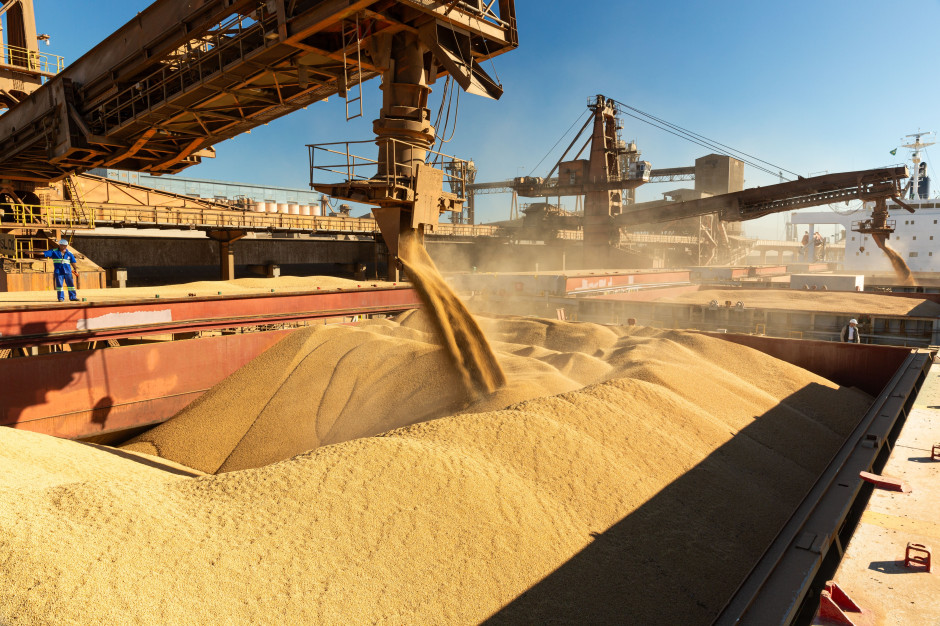
Poland’s first four months under the trade chapter of the Mercosur agreement have not delivered the surge in South American food that critics warned about. Ministry of Agriculture figures for May-August show imports of poultry, beef and corn running below last year’s levels.
Poultry deliveries from the Mercosur bloc fell by 83 percent in value, from 5.76 million zloty to roughly 1 million zloty. Volumes dropped from 304 tonnes to 62 tonnes, so the decline cannot be put down to price movements alone. Corn imports declined 23 percent in value to 35.2 million zloty, with volumes easing from 34,000 tonnes to 27,200 tonnes. Beef purchases shrank from about 6.1 million zloty to 2.2 million zloty.
Measured against the size of the Polish market, these are modest sums. The ministry recorded no imports at all of pork, milk powder, cheese or infant formula during the period covered by the data.
Soybean meal dominates the import bill
More than half of the value of goods brought in from Mercosur countries was soybean meal used in feed production. Polish buyers spent 1.221 billion zloty on it, 9.8 percent less than a year earlier, while volumes fell 20 percent.
Other categories moved the opposite way. Soy imports rose to 47.9 million zloty from a marginal level, rice from 0.5 million zloty to 8.4 million zloty, and honey from 0.4 million zloty to 2.3 million zloty. The opening months do not close the argument over the deal’s consequences, because preferential quotas are scheduled to be raised gradually, which may shift competitive conditions further.
Exports: a headline drop driven by one product
Sales of Polish food to Mercosur states fell 21 percent to 94.8 million zloty. Malt shipped to Brazil accounts for most of that change, with its exports collapsing from 40.1 million zloty to 2.9 million zloty. The shortfall in this single category, 37.2 million zloty, is larger than the decline recorded for all exports combined, so other goods had to make up part of the loss.
Once malt is excluded, exports grew by around 15 percent. Confectionery sales increased 23 percent, malt extracts and flour preparations 26 percent, and animal feed products 116 percent. The ministry does not identify a reason for the malt slump, pointing out that sales had risen strongly a year earlier – a pattern consistent with a statistical base effect, in which exports return to their normal level after an unusually high reading.
Źródło: WNP.PL, Fot. Shutterstock/Wirestock Creators




