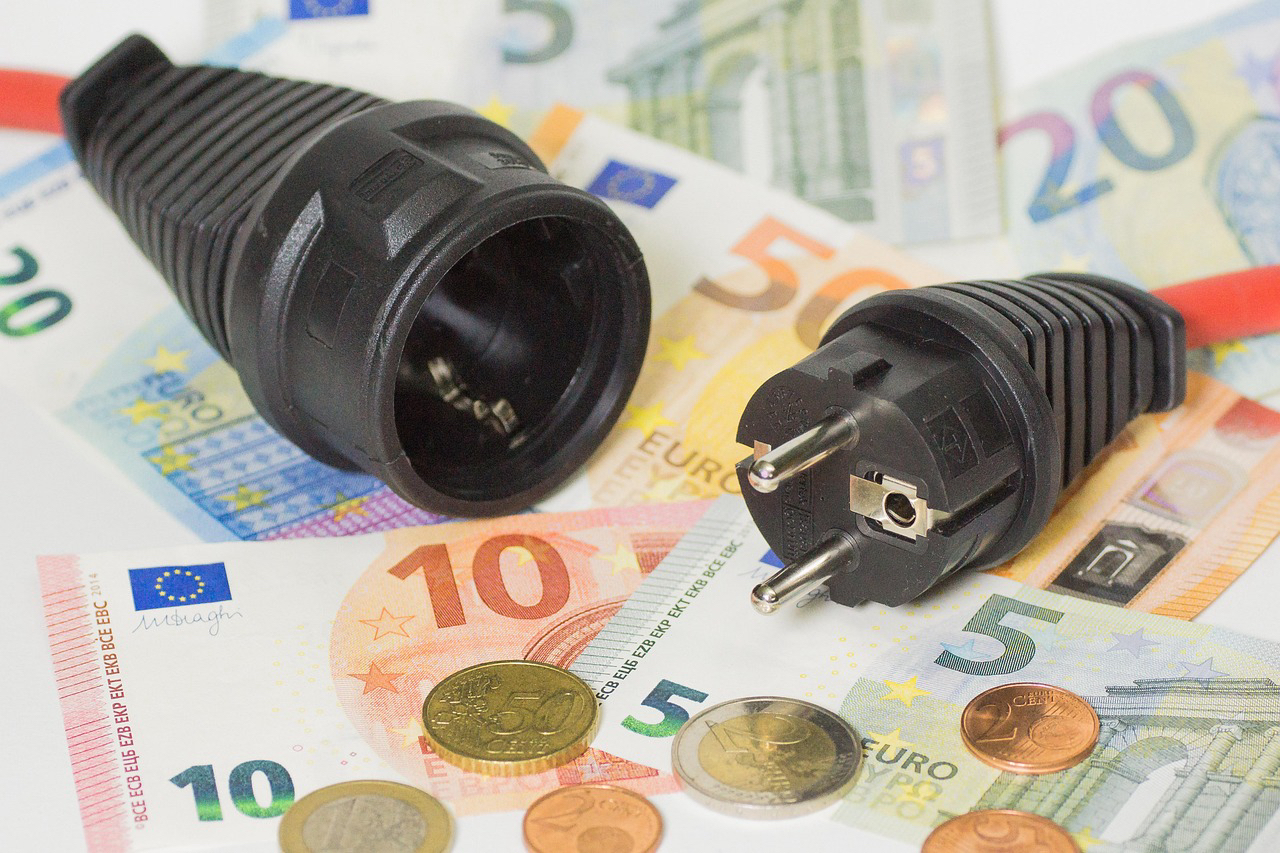
For the average consumer, rising energy prices usually mean higher electricity bills, more expensive heating, or rising fuel costs. For industry, however, the situation is far more serious. Energy is not simply another operating expense. In many sectors, it forms the foundation of the entire production process. When energy prices rise sharply, companies do not just lose part of their profits. They often begin losing competitiveness, reducing investments, and in some cases shutting down production entirely.
In recent years, Europe has learned in a painful way how critical stable and affordable energy is for the economy. The energy crisis following Russia’s invasion of Ukraine demonstrated that electricity and gas prices can determine not only the condition of individual companies, but also the future of entire industrial sectors.
Today, the cost of energy has become one of the most important strategic issues facing European economies. Increasing numbers of businesses are operating in an environment where energy is no longer a predictable part of doing business, but one of the largest sources of financial risk.
Energy is the foundation of modern production
Modern industry consumes enormous amounts of energy at nearly every stage of operation. Electricity and gas are needed not only to power machines and factories. Energy also supports transportation, cooling systems, heating, industrial automation, and global supply chains.
In some industries, energy costs represent a relatively small portion of total expenses. In others, they determine whether the entire business remains profitable. This is especially true for chemical production, steel manufacturing, cement plants, fertilizer production, and aluminum processing.
For sectors like these, a sudden rise in energy prices can create immediate financial problems. If production costs become higher than those faced by competitors in other parts of the world, companies begin losing market share.
That is why industry reacts so strongly to every energy crisis and every signal of rising electricity or gas prices.
Europe benefited from relatively cheap energy for decades
For many years, European industry developed under conditions of relatively stable energy costs. Russian gas played an especially important role because it was widely available and comparatively inexpensive for many countries.
That model collapsed after the outbreak of the war in Ukraine. The reduction of Russian energy supplies triggered a dramatic surge in energy prices across Europe.
For businesses, the shock was enormous. In some sectors, energy costs multiplied within just a few months. Certain companies were forced to reduce production or temporarily close factories.
The crisis also revealed that energy security is not simply a matter of foreign policy. It directly affects economic competitiveness and a country’s ability to maintain industrial capacity.
High energy prices increase the cost of almost everything
One of the biggest problems is the domino effect created by rising energy costs. When electricity and gas prices increase, the cost of producing nearly every product rises as well.
More expensive energy means higher transportation costs, more expensive logistics, and increased operational expenses for factories and warehouses. Companies try to pass part of those costs onto consumers, which fuels inflation and raises the prices of finished goods.
This is why energy crises quickly affect the entire economy. Higher energy costs impact not only industrial companies, but also ordinary consumers buying food, electronics, and services.
In practice, energy has become one of the most important drivers of inflation in modern economies.
Global competition makes the situation even more difficult
European industry now operates in an intensely competitive global market. Companies from the European Union compete directly with producers from China, the United States, and the Middle East.
If energy prices in Europe become significantly higher than in other parts of the world, parts of industrial production gradually become less profitable. As a result, companies may reduce investment or relocate production to countries offering cheaper energy.
This trend is becoming a growing concern for European policymakers. Persistently high energy prices could weaken Europe’s industrial base and reduce the continent’s long term economic strength.
The issue is especially serious for strategic industries that are essential to economic and technological security.
The green transition is increasing pressure on industry
Another major challenge comes from Europe’s climate policy. The energy transition requires massive investment and the gradual reduction of fossil fuel dependence.
On one hand, the goal is to reduce emissions and decrease reliance on imported resources. On the other, industries are being forced to modernize technologies and adapt production processes to stricter environmental regulations.
In many sectors, companies are now facing both high energy prices and rising costs related to climate transition policies at the same time.
Some experts warn that moving too quickly could weaken Europe’s competitiveness compared with regions operating under less restrictive regulations.
Cheap energy is becoming a strategic advantage for nations
It is becoming increasingly clear that access to stable and affordable energy is one of the key factors determining economic power.
Countries with strong energy infrastructure, domestic resources, or modern energy production systems are in a much stronger position to attract industrial investment and build competitive advantages.
This is one reason why the United States, Gulf countries, and parts of Asia are becoming increasingly successful in attracting manufacturing and large industrial projects.
Europe faces a far more difficult balancing act. It must maintain economic competitiveness, complete the green transition, and secure reliable energy supplies while dealing with geopolitical instability.
Industry needs predictability above all else
For businesses, stability matters almost as much as the price of energy itself. Companies planning long term investments need confidence about future operating costs.
Sharp fluctuations in electricity and gas prices make investment decisions far more difficult and increase business risk. As a result, some companies delay expansion or postpone major projects.
Modern industry is becoming increasingly dependent on long term energy security. That is why energy policy is no longer viewed as a purely technical issue. It has become one of the central pillars of economic strategy.
In the coming years, access to stable energy may determine which countries maintain strong industrial economies and which gradually lose influence in the global market.
Fot. Pixabay