
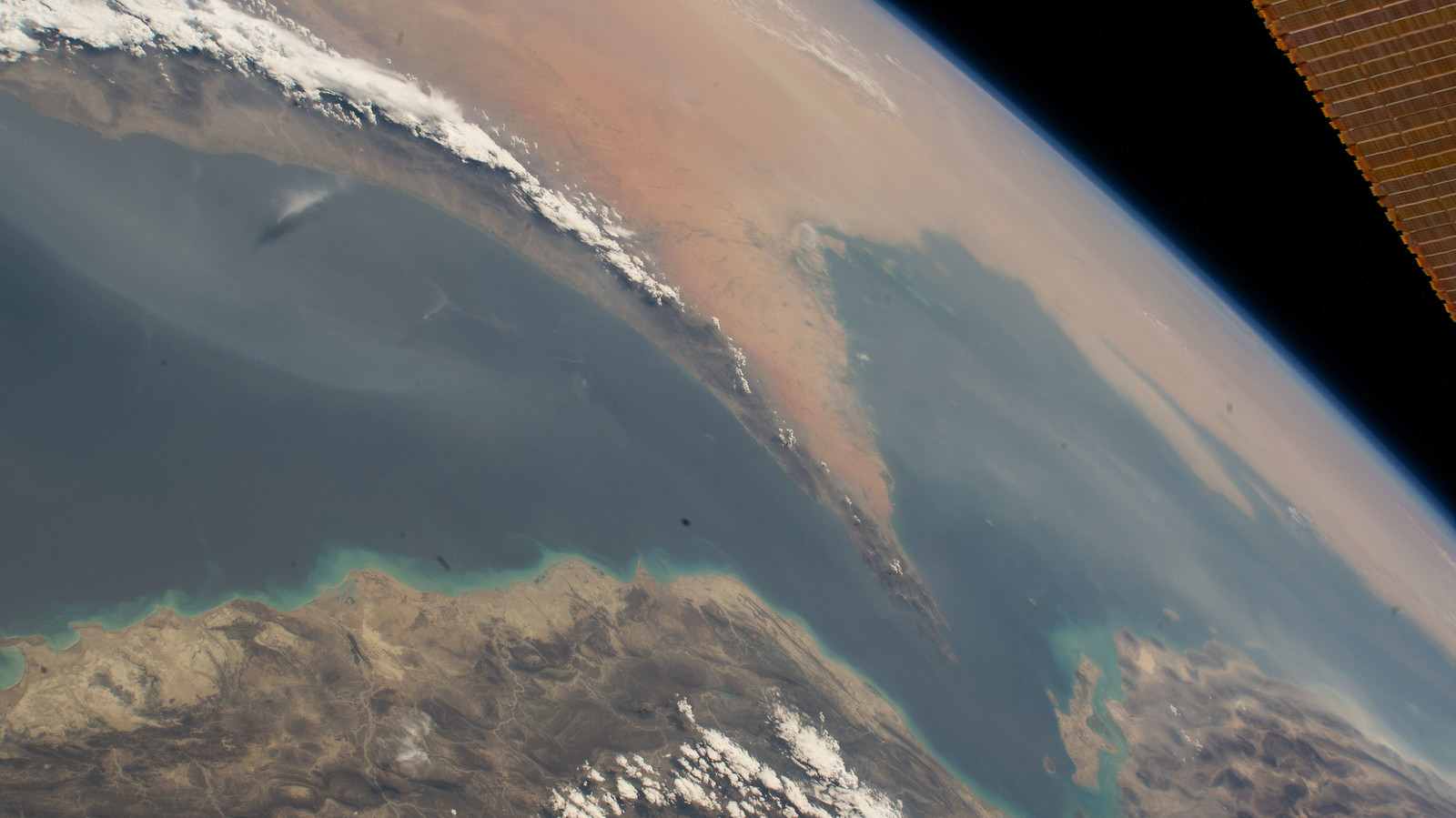
Brent crude oil prices have broken through the $90 per barrel level. The trigger for this price spike was US strikes on targets on Iran’s Larak Island and Iran’s rapid response. The price of the popular Brent crude rose on Monday and again broke through the $90 per barrel mark, a jump of more than 2 percent, while WTI reached nearly $86 per barrel. The increase in the price of the commodity came after Sunday’s US attack on two Iranian launchers on Larak Island in the Strait of Hormuz, marking the first known US strikes on Iran in the Persian Gulf since late July. Iran, in what it described as retaliation for the deadly attack, fired rockets toward US bases in Jordan.
The price spike was driven by escalating tensions in the region, as the exchange of fire heightened concerns about the security of the strategic waterway, which in turn translated into higher maritime freight rates and war risk insurance premiums, creating a ripple effect across global energy markets that could be felt by consumers and businesses around the world in the coming weeks. The US Central Command claimed that the forces of the Islamic Revolutionary Guard Corps were preparing to launch sea mine-carrying missiles toward the strait from the island, and earlier the US military had announced that it had completed the removal of sea mines from international shipping lanes in the strait over the previous week.
The attack on Larak Island was the first known US strike on Iranian targets in the Persian Gulf since late July, and it marked a significant escalation in the ongoing confrontation between the two countries, which has been simmering for months over Iran’s nuclear programme and its military activities in the region.
Why the Americans targeted this particular island?
According to a US official, the targeted launchers were being prepared by the Islamic Revolutionary Guard Corps for deployment in the Strait of Hormuz of missiles carrying naval mines, which would have posed a direct threat to international shipping and potentially disrupted the flow of oil from the Gulf region, where about 20 percent of the world’s oil passes through the strait every day.
The US military had previously warned that Iran was increasing its military presence in the area and that any attempt to block the strait would be met with a decisive response, which was a clear signal that Washington was prepared to use military force to protect the freedom of navigation in one of the most important strategic waterways in the world.
The Iranian military simultaneously warned that the attack would have serious economic and military consequences, indicating that Tehran was ready to escalate the confrontation rather than back down in the face of US military action. Shortly after the strike on Larak, Iran launched retaliatory rocket attacks targeting US military facilities in Jordan and US naval vessels in the Strait of Hormuz, confirming that the Islamic Republic was prepared to respond forcefully to any US military action against its forces or territory.
Iran’s response and the escalation of tensions
The Iranian retaliation was swift and significant, as Tehran made it clear that it would not tolerate US military strikes on its territory or its forces without a proportionate response, which raised the risk of a broader military confrontation between the two countries that could draw in other regional powers and further destabilise an already volatile region.
The rocket attacks on US bases in Jordan were a direct challenge to Washington’s military presence in the Middle East and a signal that Iran was willing to expand the conflict beyond the immediate area of the Strait of Hormuz, potentially targeting US interests and allies across the region. The exchange of fire between US and Iranian forces marked a significant escalation in the ongoing confrontation between the two countries, which has been characterised by a series of tit-for-tat strikes and growing tensions over Iran’s nuclear programme and its military activities in the region.
The situation in the Strait of Hormuz has been a particular flashpoint for months, as Iran has repeatedly threatened to block the strait in response to US sanctions and pressure, and the latest exchange of fire has heightened fears that the waterway could become the scene of a direct military conflict that could disrupt global oil supplies and send prices soaring even higher.
Impact on oil markets and global economy
The immediate impact of the escalation was felt in global oil markets, as Brent crude prices broke through the $90 per barrel level and WTI reached nearly $86 per barrel, levels not seen since the height of the conflict in the Middle East earlier this year. The price spike reflects growing concerns about the security of oil supplies from the Gulf region, as the Strait of Hormuz is one of the most important chokepoints for global oil shipments, with about 20 percent of the world’s oil passing through it every day, and any disruption to traffic through the strait could have serious consequences for global energy markets.
The increase in oil prices came at a time when global energy markets were already under pressure from rising demand and supply constraints, and the latest escalation in the Middle East has added a significant risk premium to oil prices that could persist for some time if tensions continue to rise. Higher oil prices are likely to feed through into higher petrol prices for consumers and higher costs for businesses, which could weigh on global economic growth and add to inflationary pressures that central banks around the world are already struggling to contain.
The situation in the Strait of Hormuz is a stark reminder of the fragility of global energy markets and the vulnerability of the world economy to geopolitical shocks in the Middle East, as events in a relatively small stretch of water can have ripple effects across the global economy and affect the daily lives of millions of people around the world.
What lies ahead for oil prices and global energy markets?
The outlook for oil prices in the coming days and weeks will depend largely on whether the US and Iran can de-escalate the situation or whether the confrontation spirals into a broader military conflict that could disrupt oil supplies from the Gulf region and send prices soaring even higher. If the US and Iran manage to avoid further military escalation, oil prices could stabilise or even retreat somewhat, but the risk of further clashes in the Strait of Hormuz will remain elevated as long as the underlying tensions between the two countries remain unresolved.
The fundamental drivers of oil prices, including global demand, supply constraints and OPEC+ production decisions, will also continue to influence the market, but geopolitical risk will remain a key factor in the coming weeks. The latest escalation in the Middle East serves as a reminder that geopolitical events can have a significant impact on global energy markets and that investors and policymakers alike must be prepared for the possibility of further volatility in the coming months as the situation in the region remains highly unpredictable.
The coming days will be crucial in determining whether the latest escalation leads to a broader conflict or whether both sides step back from the brink, but one thing is certain, the situation in the Strait of Hormuz will remain a key focus of global attention in the weeks ahead as the world watches to see whether the US and Iran can find a way to avoid a full-scale military confrontation that could have devastating consequences for the region and the global economy.
Photo: Flickr




