
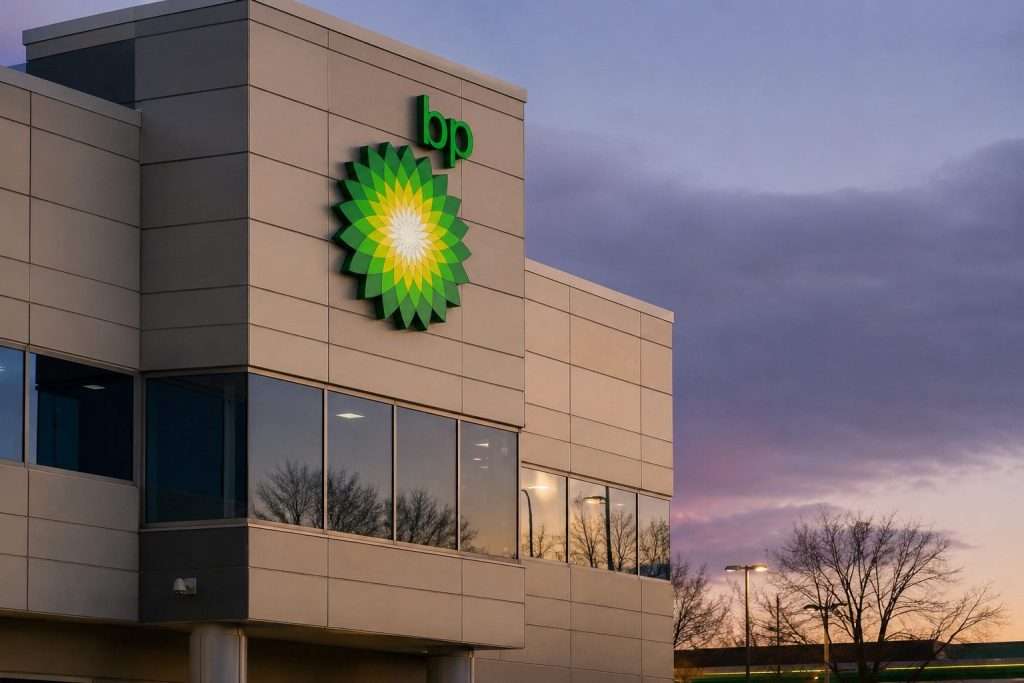
Four sources close to the matter told Reuters that BP is considering selling part of its natural gas assets in Egypt. New CEO Meg O’Neill is restructuring the group to reduce debt and focus on more profitable projects.
BP has operated in Egypt for more than 60 years, and its total outlays in the country have exceeded $35 billion. The company produces about 60 percent of Egypt’s natural gas through joint ventures in the eastern Nile Delta and fields operated by BP in the western Nile Delta. The potential sale is part of a broader strategic review under the new leadership, aimed at simplifying operations and strengthening the company’s balance sheet.
The assets under consideration are located mainly in the Western Nile Delta region and include five gas fields within the offshore North Alexandria and West Mediterranean Deepwater blocks in the Mediterranean Sea. No final decisions have been made, the sources said. A BP spokesman declined to comment, saying the company does not comment on market speculation.
BP’s production in Egypt amounted to about 518 million cubic feet per day last year – a decline of about 40 percent compared with 2024 and nearly 60 percent relative to 2023, according to Reuters. The decline is due in part to the natural depletion of mature fields.
New discoveries and concessions
Despite the possible sale of some assets, BP signals long‑term interest in Egypt. In April 2026, the company announced the discovery of a new gas and condensate field off the coast of Egypt. Earlier this year, the company also obtained exploration concessions for North‑East El Alamein and West El Hammad offshore areas.
A BP spokesman did not respond to Reuters’ questions about the potential sale. The sources stressed that no final decisions have been made, and the talks indicate a significant adjustment of BP’s portfolio in the region. The decision by new CEO Meg O’Neill to restructure the group is in line with a broader industry trend in which major energy companies are divesting mature assets to shift capital to higher‑return, lower‑carbon ventures.
Fot. BP


