
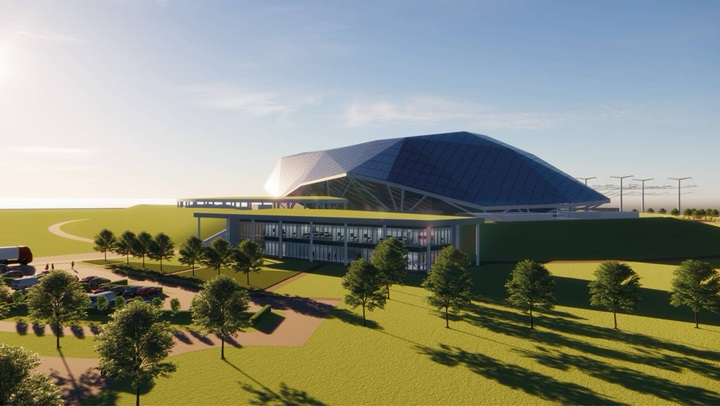
On 12 October, the environmental impact assessment process began for the planned Rolls-Royce SMR modular reactor at the Temelín nuclear power plant in the Czech Republic. A decision is expected in 2027. The project forms part of broader plans to develop small modular reactor technology in the Czech Republic, where the target capacity of installations based on this technology could reach 3 GW. The start of the procedure marks progress in investment preparations, but it does not mean that construction approval has been granted or that work has begun at the power plant.
An environmental impact assessment is one of the stages a planned nuclear investment must undergo. Its significance extends beyond the formal preparation of the project itself. For a project located at an existing power plant, the proposed installation must be considered in the context of its location and its potential impact on the surrounding area. Only after the required procedures have been completed and subsequent administrative matters have been resolved will it be possible to determine what further steps can be taken.
For the Rolls-Royce SMR project at Temelín, 2027 is an important milestone because a decision on the environmental impact assessment is expected that year. This date should not, however, be confused with the start of construction, reactor commissioning or the beginning of electricity supplies. These are separate stages of the investment process, and their schedules have not been specified in the information provided.
It is also important to distinguish procedural progress from technological and investment readiness. The start of the procedure means that the project has moved into another stage of preparation, but it does not in itself determine whether the project will ultimately be implemented. At this stage, there is no basis for identifying a specific date for the start of construction or the commissioning of the installation.
Small modular reactors in the Czech Republic’s plans
The Temelín project forms part of broader Czech plans to develop small modular reactors, known as SMRs. In this case, the technology is being developed by the British company Rolls-Royce SMR. Long term plans for the Czech Republic include the possibility of achieving as much as 3 GW of capacity from installations based on this technology.
This figure should not, however, be interpreted as the capacity expected to be built exclusively as part of the Temelín project. The 3 GW figure refers to broader plans for developing the technology across the country. Nor does it mean that all the envisaged units have already been approved, contracted or assigned specific construction schedules.
This distinction matters when assessing the scale of the Czech Republic’s ambitions. A single project at an existing power plant forms part of a broader concept, but its development must be considered separately. Progress to the next procedural stage at Temelín does not amount to final investment decisions on the entire SMR programme.
What are SMRs, and why is the technology being developed?
Small modular reactors are nuclear technologies designed around individual units on a smaller scale than conventional large nuclear power units. The modular concept envisages standardised designs and the manufacture of some installation components in industrial facilities, followed by assembly at the intended site. However, specific technical assumptions depend on each manufacturer’s design, and identical characteristics cannot automatically be attributed to all SMR technologies.
Interest in this class of reactor stems, among other factors, from the search for ways to develop nuclear power using smaller units and the possibility of planning additional capacity in stages. At the same time, deploying this technology requires a range of technical, regulatory and financial issues to be resolved. Developing a reactor design does not in itself mean that it can be built at any location or that the investment will be completed within a specific timeframe.
At Temelín, therefore, the subsequent investment preparations will be important alongside the environmental impact assessment. At the current stage, the information provided does not make it possible to determine the project’s cost, the date construction might begin or the planned commissioning date. Nor does it provide a basis for assessing the specific impact the future installation would have on the Czech Republic’s energy balance.
2027 will bring another key milestone
The decision on the environmental impact assessment, scheduled for 2027, will be another important milestone in preparing the Rolls-Royce SMR project at Temelín. Until then, the investment remains at the procedural stage, and its future will depend on the outcome of the assessment and subsequent decisions concerning implementation.
Information published by Rolls-Royce SMR on 12 October 2026 confirms that this stage has begun, not that construction is under way. This distinction is important for major infrastructure projects: completing an administrative procedure is part of the preparation process, but it does not replace investment decisions or the other requirements that must be met before a project can proceed.
Temelín therefore remains one of the focal points in the Czech Republic’s plans to develop small modular reactors. These plans could potentially reach 3 GW in scale, but their actual scope and pace of implementation can only be assessed once further decisions have been made and specific installations have received the relevant approvals.




