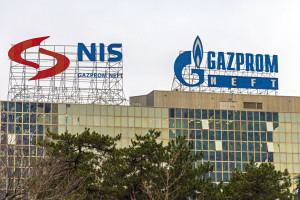
MOL has successfully concluded negotiations with the Serbian government regarding a shareholders’ agreement to acquire a majority stake in Naftna Industrija Srbije (NIS), the Hungarian oil company announced. The deal, which aims to transfer ownership from Russian Gazprom Neft and Gazprom, is seen as a direct consequence of US sanctions imposed on NIS last October.
Talks between MOL and the Serbian state, which holds 29.9% of NIS, run parallel to discussions with the current majority shareholders – Gazprom Neft (44.9%) and Gazprom (11.3%) – Reuters reported. The US Treasury’s Office of Foreign Assets Control sanctioned NIS in October 2025 as part of broader measures targeting Russia’s energy sector over the war in Ukraine. Washington demanded the divestment of Russian stakes and forced NIS to seek temporary operating licenses for importing and processing crude oil.
In January, MOL signed a preliminary agreement to buy the combined shares of Gazprom Neft and Gazprom. The US gave the Russian firms until June 16 to finalize the transaction, Reuters recalled. According to the deal, Serbia will purchase an additional 5% stake in NIS if Gazprom Neft sells MOL its 56.15% holding in the Serbian company.
Serbia strengthens its position in the deal
– The agreement will give the state additional powers to make or block decisions important for our country – said Serbian Energy Minister Dubravka Djedovic Handanovic, adding that Serbian members of NIS’s board of directors will also have greater authority. The Minister also noted that the Hungarian side committed to maintaining the operation of the NIS refinery in Pancevo – the only such plant in Serbia – at no less than the average annual capacity recorded in the four years before the sanctions were imposed.
The NIS refinery near Belgrade has a maximum annual capacity of 4.8 million tonnes of crude oil. The transaction, once completed, is expected to reshape energy security in the Balkans, reducing Russian influence over Serbian fuel supplies.
Geopolitical implications and future operations
Industry observers note that MOL’s move aligns with broader European efforts to decouple from Russian energy assets. The takeover would give the Hungarian group a strategic foothold in the region, while Serbia secures guarantees for stable refinery output. The deadline set by Washington adds urgency to the negotiations, with all parties seeking to close the deal before the June 16 cutoff.
The Serbian government has emphasized that the agreement safeguards national interests. Energy Minister Handanovic stressed that the new ownership structure will prevent any disruption to domestic fuel production. MOL, in turn, has expressed confidence in meeting regulatory requirements and finalizing the transaction within the stipulated timeframe.
Źródło: WNP.PL, Fot. Baloncici / Shutterstock