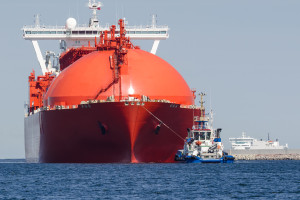
Algeria exported over 1 million tonnes of liquefied natural gas in May, up sharply from 700,000 tonnes a year earlier, as the North African country capitalises on supply disruptions caused by the closure of the Strait of Hormuz. The majority of shipments went to France, Turkey and Spain, with the first delivery to the Netherlands in two years also recorded.
According to data cited by local portal Algerie360, France received 234,000 tonnes, Turkey 203,000 tonnes, and Spain 200,000 tonnes. The resumption of Spanish imports is particularly notable, as no LNG had been delivered by sea from Algeria to Spain in the preceding twelve months due to political tensions. Those tensions eased after Madrid refused to allow US military aircraft to use its bases for flights to the Middle East.
Other European buyers included Italy, the United Kingdom, Croatia, and the Netherlands, which took its first Algerian LNG cargo since 2024. In total, Algeria produced just over 100 billion cubic metres of natural gas in 2025, half of which was consumed domestically. LNG exports – 9.54 million tonnes – equated to roughly 12.8 billion cubic metres.
Geopolitical turmoil reshuffles gas trade
The conflict in the Middle East and the closure of the Strait of Hormuz have halted LNG shipments from Qatar and the United Arab Emirates, creating a supply gap that Algeria is eager to fill. Pipeline exports via subsea Mediterranean routes and liquefaction terminals sent 50 billion cubic metres abroad last year, with 39.5 billion cubic metres destined for the European Union.
„The crisis in the Strait of Hormuz has created an opportunity for Algeria to become a reliable supplier to Europe” – powiedział minister energii Abdelmadjid Attar. „We are prepared to invest hundreds of billions of dollars to double our gas production by the end of this decade.”
Algeria’s ambitious production targets
The government plans to raise annual gas output to 200 billion cubic metres, more than double the current level. A significant portion of the required investment will go into developing new fields in partnership with international oil companies, as well as building additional liquefaction capacity.
The push comes as European Union countries continue to diversify away from Russian gas following the invasion of Ukraine. Algeria, already connected to Europe via pipelines to Italy and Spain, is positioning itself as a stable alternative source. However, analysts warn that achieving such ambitious targets will depend on securing foreign capital and technology quickly.
Źródło: WNP.PL, Fot. Wojciech Wrzesien / Shutterstock